The Priory and its history

Yesterday, today and tomorrow: how this modest Priory has survived the centuries, become a family estate and been transformed into a charming place to live
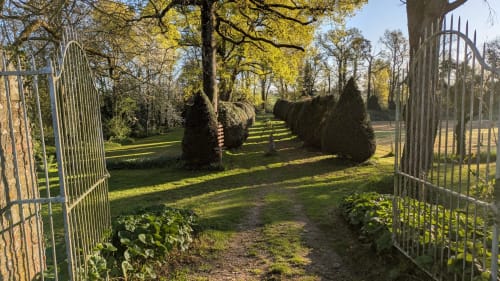
Grilles du passage entre la 2nde et la 3ème terrasse (l'Affiage)

Find out more about Prieuré Saint Pierre

Yesterday, today and tomorrow: how this modest Priory has survived the centuries, become a family estate and been transformed into a place of authentic charm for you to enjoy an idyllic stay in a wonderful, warm and relaxing setting?
Your stay at Prieuré Saint Pierre


Yesterday, today and tomorrow: how this modest Priory has survived the centuries, become a family estate and been transformed into a place of authentic charm, so that you can enjoy an idyllic stay in a wonderful, warm and relaxing setting.
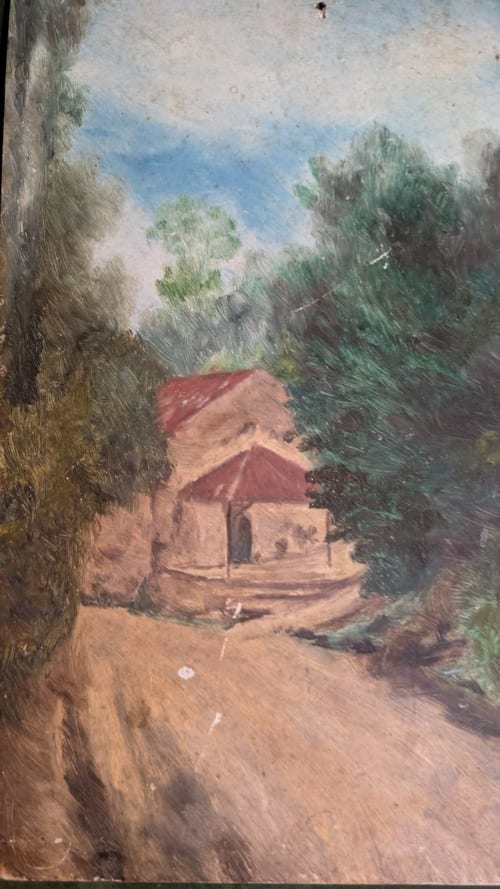
Petite peinture représentant la chapelle Ste Marie au 17ème avant la reconstruction au 19ème

A magical place steeped in history


The founding of the Prieuré Saint Pierre dates back to the early 13th century. It is probably linked to the appearance of a miraculous spring, which led to the creation of St. Mary's chapel, which still exists today in Réaumur. In 1203, according to the archives of the Sainte Trinité de Mauléon abbey (Order of Saint Augustine), Pierre de Bellosa, the knight who saw the spring, became the first prior monk of the Prieuré Saint Pierre.

This small priory has remained modest over the centuries. The few monks who lived there were totally self-sufficient, with just a few hectares of land, a little livestock, crops, an orchard and a vegetable garden. They had the distinction of being secular monks, meaning they looked after the parish of Réaumur. The first Réaumur parish priest did not arrive until after the French Revolution.
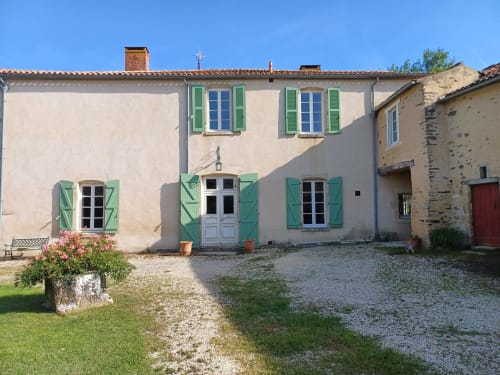
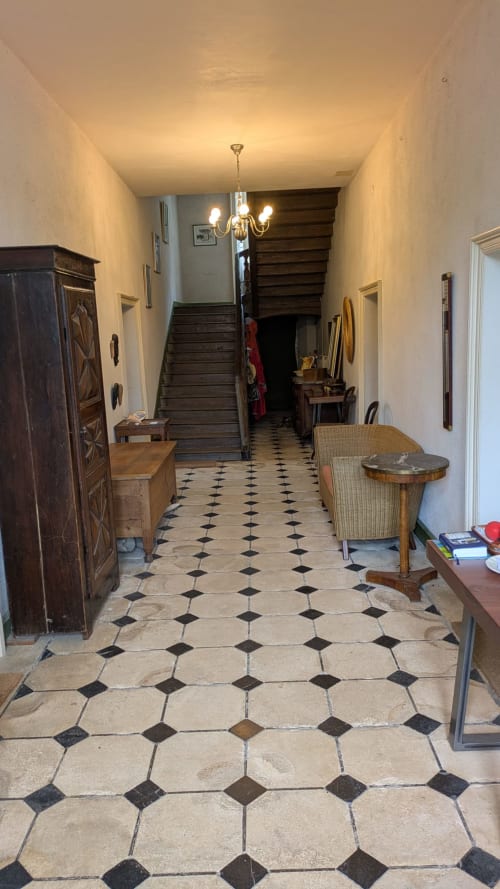
From 1725 to 1754, a new monk prior and garden enthusiast, Claude-François Le Bourgoing de Sichamps, remodeled and redesigned the garden to create a true monastic garden, adapted to the needs of the monks and the standards of the time. Its layout, with 3 wooded terraces, a main path surrounded by yews
cloister surrounding the orchard, still exists today
to this day. It is likely that René-Antoine Ferchault Seigneur de Réaumur, a renowned
scientist of the 18th century, may have strolled through the Priory's gardens
at his manor house in Réaumur.

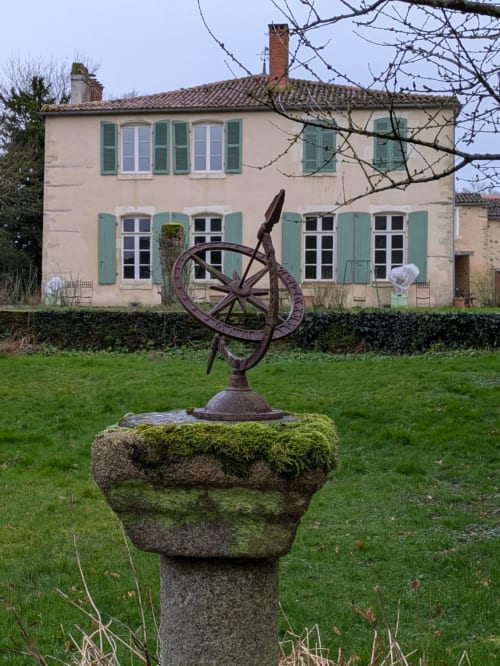
Cadran solaire devant le Prieuré

After suffering a fire in 1789, this classic Vendéen dwelling was rebuilt in 1791 by Jean Pons, the last prior monk. A swearing priest, he acquired the estate, which was sold as national property in 1791. Further destruction is said to have occurred during the passage of Turreau's infernal columns through Réaumur. These events marked the end of the monastic presence. Resold several times in the early XIXᵉ century, the estate was bought back in 1831 by Pierre-Joseph Audé, royal notary and ancestor of the current owners
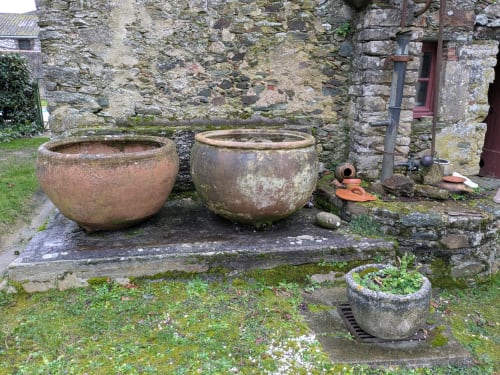
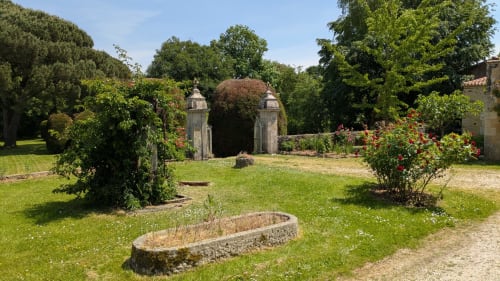
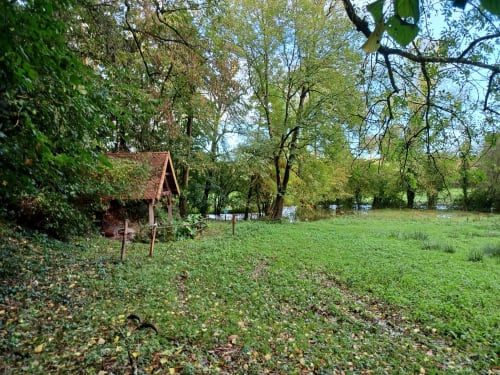
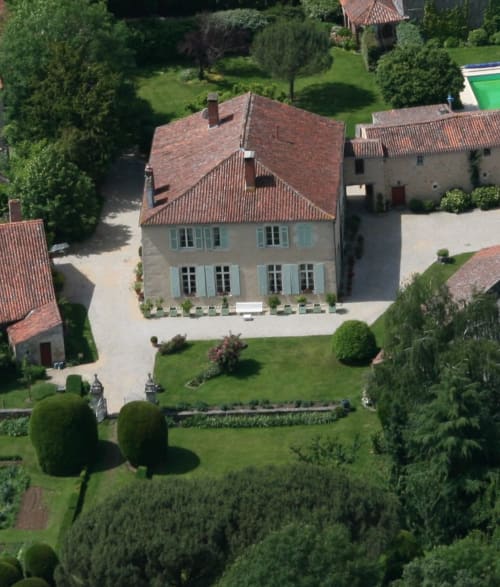
From 1725 to 1754, a new prior and garden enthusiast, Claude-François Le Bourgoing de Sichamps, remodeled and redesigned the garden to create a true monastic garden, adapted to the needs of the monks and the standards of the time. Its layout - three wooded terraces, a yew-lined main avenue and a green cloister surrounding the orchard - still exists today. It is likely that René-Antoine Ferchault, seigneur de Réaumur and renowned scientist of the XVIIIᵉ century, strolled here during his stays in his manor house of Réaumur (Musée des Sciences de Réaumur).
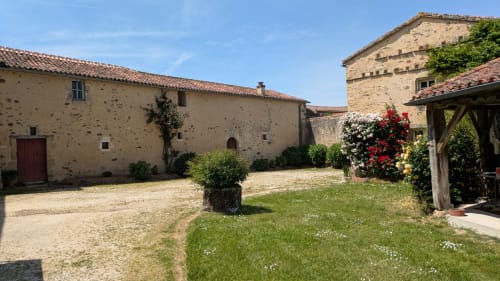
Cours d'entrée avec le Dortoir, l'entrée de l'ancienne chapelle du Prieuré (porte rouge sang) et à droite l'ancienne écurie


In addition to the monastic garden, traces of the former chapel, the garden entrance pillars, the water stamp that fed rainwater into the vegetable garden, the former henhouse, a 17th-century building (dormitory, refectory?), the bread oven, the washing apples and the washhouse can still be seen.


In addition to the monastic garden, traces of the former chapel, the garden's entrance pillars, the water stamp that fed rainwater into the vegetable garden, the former chicken coop, a 17th-century building (dormitory, refectory?), the bread oven, the washing apples and the washhouse remain from the former priory.

A family story since 1831...

From 1831 until the beginning of the XXIᵉ century, after Pierre-Joseph Audé, the Prieuré was handed down from generation to generation, first as a main residence and then, after the Second World War, as a vacation home. It was taken over and renovated in 2003 by François and Véronique Garret who, after more than 45 years living in Africa, settled here for their retirement.

...to this day


When they passed away, their son Stéphane, a seventh-generation direct descendant of Pierre-Joseph Audé, and his wife Marie-Charlotte took up the challenge of taking over the estate in 2023, after 26 years on the Côte d'Azur, in order to create a warm, authentic and friendly family home. For the past two years, they have been restoring, refurbishing and decorating this magical place, which attracts many visitors and passing guests with its charm, tranquility, wooded natural spaces and comfortable accommodation

The family's owners since 1831

Pierre-Joseph Audé / 1780-1855
Victorien Audé / 1818-1892
Alfred Audé / 1838-1901
Hélène Phelipeau née Audé / 1871-1958
Alice Garret née Phelipeau / 1897-1966
François Garret / 1927-2022
Stéphane Garret / 1958 -

A family story


From the 19th to the beginning of the 21st century, after Pierre-Joseph Audé, the Prieuré
passed from generation to generation, first as a principal residence, then as a vacation home,
after the Second World War. Taken over and renovated in 2003 by François and Véronique Garret
who settled here to retire after more than 45 years of African life.
On their death, their son Stéphane, a direct 7th-generation descendant of P-J Audé, and his wife Marie-Charlotte
and his wife Marie-Charlotte decided to take over the estate in 2023, after 26 years on the Côte d'Azur
spent on the Côte d'Azur, to create a warm, authentic and convivial family home
warmth. For the past two years, they have been restoring, refurbishing and decorating this magical place, which attracts
the greatest number of visitors and guests for its charm, tranquility, natural wooded
natural wooded areas and comfortable accommodation.

Parental or family suites?


Image description
Image description
Image 1 Image 2